Purple Witch Cross Stitch Pattern PDF
A Designer’s First Look: Charm, Clarity, and Craftsmanship
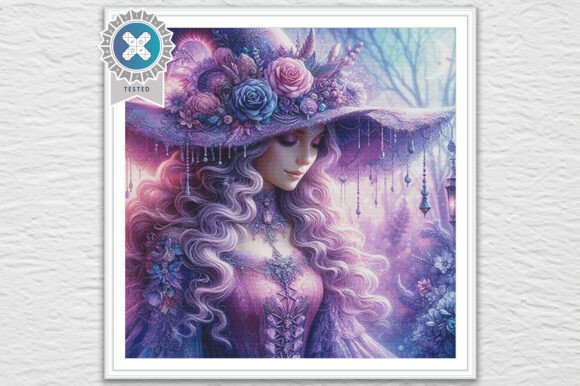
As an embroidery designer who’s curated patterns for baby boutiques, wedding gift studios, and Etsy shops for over twelve years, my first impression of the Purple Witch Cross Stitch Pattern PDF was immediate and warm: it’s a quietly confident blend of whimsy and elegance. The design doesn’t shout — it invites. With its soft violet palette, balanced composition, and intentional use of only full cross stitches, it feels handmade without sacrificing polish. It leans into modern mysticism — think moonlit nurseries, boho wedding keepsakes, or a grandmother’s heirloom pillow cover — but avoids trendiness that dates quickly. There’s no glitter, no neon, no forced cuteness. Just 400 × 400 stitches of thoughtful rhythm, rendered in 90 DMC thread colors. That restraint is what makes it so versatile — and so trustworthy for personalized gift products.
Where This Pattern Truly Shines
The Purple Witch Cross Stitch Pattern PDF isn’t just a graphic — it’s a storytelling tool for makers. For baby embroidery, it transforms a simple muslin blanket into a gentle, gender-neutral heirloom. On a linen kitchen towel? It becomes a conversation piece — mystical yet grounded, perfect for a witchy mom or herbalist couple. As a wedding gift, stitched onto a cotton pillow cover or framed sampler, it carries quiet symbolism: intuition, protection, quiet strength. I’ve already sketched mockups for nursery wall hangings (on stretched canvas with raw-edge linen backing), custom aprons for herbal tea shops, and even embroidered tote bags for indie bookstores hosting autumnal spellcraft workshops.
For Etsy sellers and small shop owners, this pattern supports high perceived value without demanding advanced technique. Its clean lines photograph beautifully — especially when styled with dried lavender, matte ceramic mugs, or natural wood frames. Customers don’t need to “get” witchcraft to feel the warmth; they feel the care in the stitch count, the harmony in the color balance, the intention behind every cross. That emotional resonance directly boosts buyer engagement and repeat orders.
Smart Placement: Where to Use It — and Where to Pause
Like any strong cross stitch pattern, the Purple Witch Cross Stitch Pattern PDF thrives on clarity — and that means knowing its limits. Avoid placing it on highly textured fabric (like thick terry cloth towels) unless you’re using heavy stabilizer and testing tension thoroughly. Stretchy baby clothes? Not ideal — cross stitch relies on stable ground fabric, and knit blends can distort stitch density. Curved surfaces (think curved pillow edges or rounded tote handles) require careful hooping and may need strategic trimming or repositioning.
Dark fabric demands extra attention: confirm contrast across all 90 DMC thread colors before stitching — some purples soften dramatically on charcoal or navy. And while the design avoids micro-detailing, small lettering or fine facial features (if present in variant versions) should always be verified at final scale using a printable mockup. If your shop offers machine embroidery design services, remember this is a cross stitch pattern, not a digitized embroidery file — don’t assume automatic conversion.
Practical Notes Every Maker Should Check Before Stitching
- Test on scrap fabric first — especially if pairing with new linen, cotton-linen blends, or eco-dyed textiles.
- Confirm thread color contrast on both light and dark fabric swatches — DMC 152 and 815 behave differently on oatmeal vs. indigo.
- Review hoop size requirements: At 14-count, the finished piece is ~28.6 inches — plan for large hoops or scroll frames.
- Assess stitch density: 400 × 400 stitches at 14-count yields generous coverage, but avoid overcrowding smaller items like handkerchiefs or sachets.
- Use appropriate stabilizer — tear-away for stable wovens, cut-away for loosely woven linens or high-wear items like aprons.
- Compare light/dark fabric mockups in natural light — digital previews rarely capture true thread depth.
- Inspect small details post-stitching: check alignment of central motifs and symmetry of border elements before finishing.
- Verify commercial licensing before selling finished products — this Purple Witch Cross Stitch Pattern PDF is listed as a Graphics product, but usage rights must be confirmed with the original seller.
Why This Pattern Builds Trust — and Repeat Business
In a market flooded with generic florals and overdesigned quotes, the Purple Witch Cross Stitch Pattern PDF stands out by honoring craft integrity. Its adherence to full cross stitches only — no fractional or backstitch distractions — signals respect for the maker’s time and skill level. That builds trust with customers who seek authenticity in handmade products. When a bride orders a wedding gift stitched from this pattern, she’s not just buying embroidery — she’s investing in meaning, slowness, and care. That emotional connection elevates perceived value far beyond thread cost.
For Etsy sellers and craft fair vendors, it also streamlines production: consistent sizing across counts (14, 16, and 18), predictable thread usage, and a design that photographs well in flat-lay and lifestyle shots. Pair it with minimalist packaging and a handwritten note about the symbolism of purple in folklore, and you’ve turned a custom embroidery order into a memorable unboxing experience.
Final Thought: A Pattern That Grows With Your Shop
The Purple Witch Cross Stitch Pattern PDF isn’t a one-season wonder. It works year-round — as a spring nursery accent, a summer solstice gift, an autumn harvest keepsake, or a winter holiday heirloom. It fits seamlessly into collections alongside botanicals, celestial motifs, and literary themes. Whether you're designing baby embroidery for a boutique, curating wedding gifts for a bridal studio, or building a signature line of embroidered home goods, this pattern earns its place in your digital embroidery file library. Just remember: test, verify, and stitch with intention. Because the best personalized gifts aren’t just made — they’re felt.